


Resale Value Price Check・Cluzy
4.658.00 Reviews
App Specs
- Version
- 1.0.7
- Updated On
- License
- Free
- Downloads
- 10,000+
- Developer
- Victor Edu
- Categories
- Lifestyle
- Platform
- Android
Screenshots
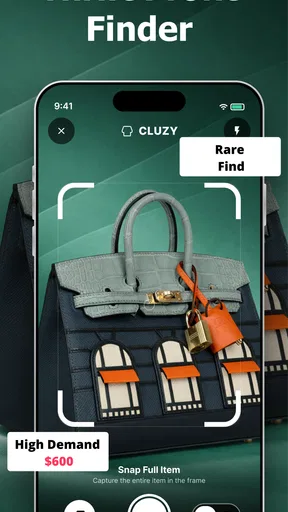
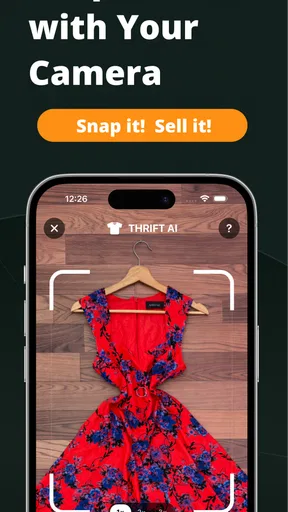
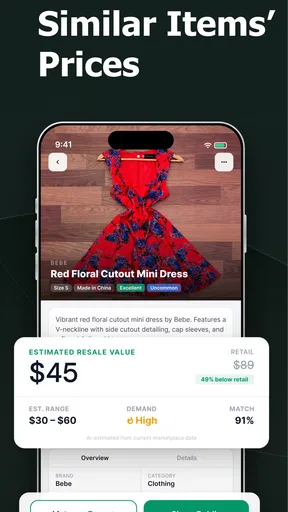
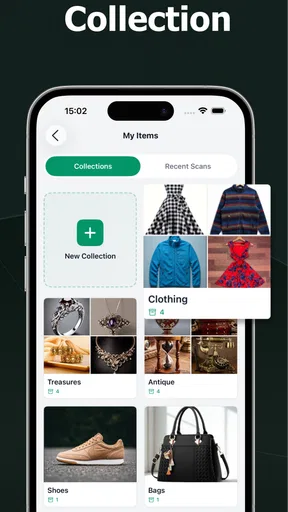
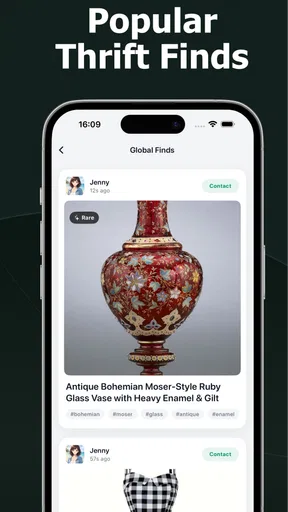
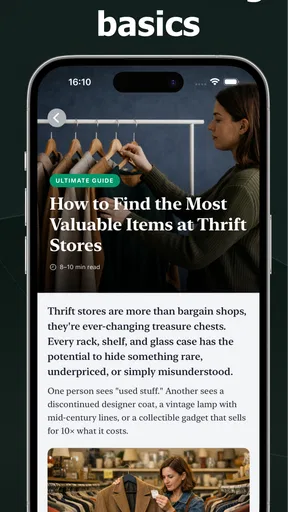
 Analysis by AppCompare
I found Resale Value Price Check・Cluzy most useful when I treated it as a quick research companion rather than a magic price tag. The idea is simple: scan an item, get help identifying it, and use that starting point to judge whether a second-hand find deserves more attention. In my experience, that makes it a natural fit for estate sales, charity shops, garage sales, and cluttered cupboards where the original packaging or model name is missing.
Cluzy is a free lifestyle app from Victor Edu, with optional in-app purchases ranging from $5.99 to $89.99 per item. It is aimed at everyone, works on devices running Android 8.0 or later, and the current release is version 1.0.7. The app has built a 4.6 average from around 1.2K ratings, alongside over 10K installs, so it already feels more established than a brand-new experiment while still being a fairly focused tool.
How I use Cluzy when I find something unfamiliar
My basic routine starts before I open the camera. I first look at the object as a seller or collector would: brand marks, model numbers, unusual materials, damage, accessories, and signs of age. That small pause matters because a scan is only as useful as the item I present to it. A clear view of the front may identify a product family, while a label, serial plate, or maker’s mark can be far more valuable for separating one version from another.
After scanning, I use the result as a research lead. I do not immediately assume that the suggested item is the exact one in my hand. Instead, I compare visible details, search terms, and condition. This is one of the most important habits with any image-based identification tool: the result can point me in the right direction, but the final resale decision still belongs to me.
A realistic example is an estate-sale kitchen appliance with a familiar shape but no obvious model name. I would scan it, examine the suggested identification, then check whether the controls, color, attachments, and markings match. If they do, Cluzy has saved me the first round of guesswork. If they do not, I would rescan a more informative part or treat the result as a nearby category rather than a confirmed match.
The same approach works for decorative objects, electronics, clothing accessories, tools, and collectibles, although the reliability of the price estimate will naturally depend on how distinctive the item is. A plain glass vase is harder to value confidently than a clearly marked branded object. That is not a flaw unique to Cluzy; it is a basic limitation of trying to infer market value from appearance.
The best result is not a number; it is a better next question. Once I know what an item may be, I can investigate condition, completeness, demand, and selling effort. Cluzy is strongest at helping me move from “What is this?” to “Is this worth researching further?”
Worth Reading Before You Choose

Flipboard Shows What News Apps Must Do Beyond the Feed

Switching to Android Auto Means Rethinking Your Driving Routine

Google Calendar Makes a Crowded Week Easier to Manage

Ludo King Makes the Most of the Minutes Between Plans

Baby Panda World Brings Quick Play to Modern Phones, but Its Game Library Feels Busy

ESPN’s Live Game View Makes Following Close Games Easier
What I check before trusting a suggested value
I separate identification from valuation. Even if the app recognizes an object correctly, the resale value can change sharply depending on whether it works, whether key parts are included, and whether the item has scratches, stains, fading, or repairs. I also look for differences between a current retail price and a realistic second-hand price. Those are not interchangeable, and a buyer browsing resale listings usually cares about the latter.
For that reason, I use the scan as a screening tool. If the item appears common and the possible value is modest, I consider the time required to clean, photograph, list, pack, and ship it. A higher-value item deserves deeper checking, but even then I would verify the exact model and compare similar listings before spending money on it.
One useful habit is to photograph the whole item first and then capture details separately. A full view gives context, while close-ups of logos, labels, connectors, stitching, or maker’s marks can help when the first scan is too broad. I also avoid scanning through plastic, dim lighting, or heavy glare whenever possible. These small choices make the workflow more repeatable without pretending that the app can overcome poor visual information.
Settings and preparation that make the experience smoother
Cluzy is straightforward enough that I would not spend much time changing options before trying the main scan. The more valuable preparation happens around the scan itself: clean the camera lens, use even light, place the object against a reasonably calm background, and keep the item steady. A busy table can make a distinctive object look less distinctive, especially when several similar items are visible at once.
I also recommend deciding what you want from a scan before taking it. If I am sorting a box of mixed household goods, I want quick triage. If I am considering a collectible, I want a more careful identification and a list of details to verify. The same app can serve both purposes, but the second use requires more patience and manual checking.
Because Cluzy is rated for everyone, it is approachable for casual household use, including a family sorting project or a beginner learning how resale research works. That does not mean every result is beginner-proof. A new user can still mistake an estimated value for a guaranteed sale price, so I would explain the difference clearly before letting a child or inexperienced seller make purchasing decisions from a scan alone.
The optional purchase structure is another setting of expectations worth considering. The download is free, but some app items cost between $5.99 and $89.99 each. I would begin with the free experience and decide whether the workflow genuinely saves me time before paying for anything. Anyone who scans only occasionally may find that manual searching remains the better value, while frequent resellers may judge convenience differently.
I would also keep a simple note beside the app when evaluating several objects. For each item, I record the likely identification, visible condition, missing parts, and my own confidence level. This prevents a common mistake: remembering the attractive estimate while forgetting that the object was untested or incomplete. Cluzy can start the research, but a small manual record makes the final decision much more grounded.
Repeatable shortcuts for estate sales and home sorting
Experienced use is less about scanning everything and more about choosing the right order. I begin with objects that have recognizable branding, model labels, unusual construction, or a plausible resale audience. I leave generic items until later. This keeps the session focused and avoids filling my notes with low-confidence guesses.
When I am in a crowded sale, I use a three-pass method. First, I scan only the promising items. Second, I revisit the strongest candidates and inspect their condition. Third, I decide whether the expected return justifies the work of selling. This is faster than trying to complete a full valuation for every object on the table.
Another useful pattern is to scan before cleaning, but photograph for resale after cleaning. Dirt and dust can hide details needed for identification, so I want to understand what I have before changing it. Once identified, I can clean carefully and check whether the apparent damage was removable grime or permanent wear. I would avoid aggressive cleaning until I know the material and likely value, particularly with older finishes, printed surfaces, and delicate fabrics.
For household decluttering, I use Cluzy to create a “research later” pile rather than interrupting the entire sorting session. A quick scan can tell me which objects deserve a closer look. I then return to those items with better light, a clean surface, and any accessories gathered together. That separation makes the app more useful because it turns identification into a manageable process instead of a distraction from the larger job.
There is also a practical trade-off between speed and confidence. A single scan is convenient, but two scans from different angles may reveal different clues. I would repeat the scan when the first result seems too generic, conflicts with the visible branding, or suggests an unusually high value. I would not repeat it endlessly hoping to produce a better number; after a point, the limiting factor is the information available in the item itself.
For sellers, the most valuable shortcut is to use Cluzy before writing a listing, not after. Identification can improve the title and help reveal which details buyers will expect. Still, I would write the final description from my own inspection. If the item powers on, say exactly what was tested; if an accessory is missing, say so. A polished app result cannot replace honest listing details.
Where the app helps most, and where I would choose another method
Cluzy makes the most sense when the main problem is recognition. It can reduce the time spent guessing whether an unfamiliar object is a known product, a collectible type, or something ordinary with little resale potential. That is especially handy when I am standing in front of a crowded table and need to decide which items deserve attention.
It is less suitable as the only tool for specialist valuation. Rare collectibles, antiques with uncertain provenance, luxury goods, jewelry, and items where authenticity determines the price need more than a visual suggestion. In those situations, I would use the app as an initial clue and then turn to specialist references, detailed sold listings, or professional advice. A general scan cannot inspect hidden repairs, verify provenance, or establish authenticity by itself.
It also competes with familiar alternatives in a particular way. Manual web searching is slower at the identification stage but can reveal detailed comparisons once I know the model. Marketplace searches show what sellers are asking, though asking prices are not proof that anything sold. Specialist databases may be better for narrow collecting categories. Cluzy sits between these options: quicker than starting from a blank search box, but not a replacement for careful market research.
That middle position is both its strength and its limitation. If I only sell a few items a year, opening a browser and searching a model number may be enough. If I regularly inspect mixed lots and need quick triage, the camera-first workflow is more appealing. The decision depends on whether saving the first few minutes of research matters to me more than having complete control over every search term.
Limits I keep in mind before making a purchase
The biggest risk is overconfidence. A plausible identification can feel authoritative, especially when it is paired with a resale estimate. I counter that by checking the exact version, condition, completeness, and local demand. I also remember that resale value is not the same as profit. Platform fees, transport, packaging, returns, and time can turn an attractive estimate into an ordinary result.
Image quality is another practical boundary. Reflective surfaces, tiny labels, damaged markings, unusual handmade objects, and items shown at an awkward angle may produce a broad or misleading match. I would not buy an expensive object solely because a scan suggested a strong value. For a costly decision, the app should be one piece of evidence among several.
The purchase range deserves careful attention too. Since optional items can reach $89.99, I would not unlock anything simply because a scan is interesting. I would first establish how often I use the app and whether it replaces enough manual work to justify the expense. A casual user may prefer to keep the process free and verify important finds independently.
There is also a human limit that no scanning tool removes: resale markets change. A product that was desirable last year may be harder to sell now, while a niche item can attract the right buyer only after a long wait. Cluzy can help me recognize an opportunity, but it cannot guarantee timing, buyer interest, condition, or a completed sale.
My verdict after building a practical routine
I see Resale Value Price Check・Cluzy as a useful first filter for people who regularly encounter unknown second-hand items. Its value comes from compressing the opening stage of research into a camera-led action: identify a possible object, decide whether it deserves closer inspection, and then verify the details that affect a real sale.
I would recommend it to estate-sale shoppers, casual flippers, decluttering households, and beginners who want help getting past the “What am I looking at?” stage. The free entry point makes it easy to test, and the Everyone rating keeps the app approachable. Victor Edu has kept the concept focused enough that I can understand its purpose immediately.
I would skip it as a sole valuation authority for rare, expensive, or authenticity-sensitive items. I would also hesitate if I only need occasional model-number searches, because manual research may be just as efficient without an extra purchase decision. The optional items, particularly the higher-priced ones, make it important to judge the time saved rather than assuming every upgrade is worthwhile.
My preferred routine is simple: scan promising objects, improve the lighting or angle when the result is vague, record the likely identification, inspect condition and completeness, and verify the market before buying or listing. Used that way, Cluzy does not replace judgment; it gives judgment a faster starting point. For resale research, that is the right role for it—and the reason I would keep it available when browsing unfamiliar finds.
Pros
- Quickly estimates resale prices for used items.
- Useful for checking whether a purchase offers good value.
- Simple interface makes price checks easy for beginners.
- Can support more confident negotiation with buyers or sellers.
- Helps identify potentially underpriced second-hand listings.
Cons
- Estimates may vary by region
- condition
- and current market demand.
- Some item categories may have limited or inaccurate price data.
- Results should be verified against comparable live listings.
- Frequent checks may require an internet connection.
- It may not account fully for accessories
- defects
- or item history.
FAQs for Resale Value Price Check・Cluzy
What is Resale Value Price Check・Cluzy used for?
Resale Value Price Check・Cluzy is designed to help users estimate the second-hand value of items before buying or selling them. You can use it to research likely resale prices, compare market information, and make more informed decisions about listings. It is particularly useful when you want a quick reference point instead of relying only on guesswork or a seller’s suggested price.
How accurate are the prices shown by Resale Value Price Check・Cluzy?
The prices provided by Resale Value Price Check・Cluzy should be treated as estimates rather than guaranteed valuations. Resale prices can change depending on brand, model, condition, age, included accessories, demand, location, and the platform where an item is sold. Before completing a transaction, it is sensible to compare the app’s results with current listings and recently completed sales.
Can I use Cluzy to check the value of any product?
Cluzy can be helpful for researching many commonly resold products, but its coverage may vary by category, region, and product type. Some items may have limited data or may not be recognized accurately, especially unusual models, older versions, customized products, or items with unclear names. If the app does not return a useful result, try entering more specific identifying information.
Is Resale Value Price Check・Cluzy free to download and use?
The availability of free features, optional upgrades, subscriptions, or in-app purchases may depend on the current version of Resale Value Price Check・Cluzy and your device’s app store. Check the listing for the latest pricing details before downloading or starting a trial. Also review any subscription terms carefully, including renewal conditions, billing frequency, and cancellation instructions.
What information should I prepare to get a better resale estimate?
For the most useful result, provide as much accurate information as possible about the item, including its brand, exact model, size, color, release year, condition, and included packaging or accessories. Details such as visible wear, defects, proof of authenticity, and whether the product is unused can significantly affect its value. Clear photos or precise descriptions may also improve your research.


